Gardening with humanoids: what consumer robots can really do in the yard in 2026

Outdoors represents some of the trickier environments for a humanoid consumer robot. Rough ground, weather, dirt, and loose plant matter are some of the things that will challenge a humanoid’s capabilities. Carefully used, a humanoid robot can still accomplish some limited useful gardening tasks, but it can’t do as much in this space as it can inside a home.

RobixOne is an independent editorial site. We do not sell humanoid robots, we do not accept payment for reviews, and every recommendation follows our published HOSI methodology and aggregated owner research. Read our methodology →
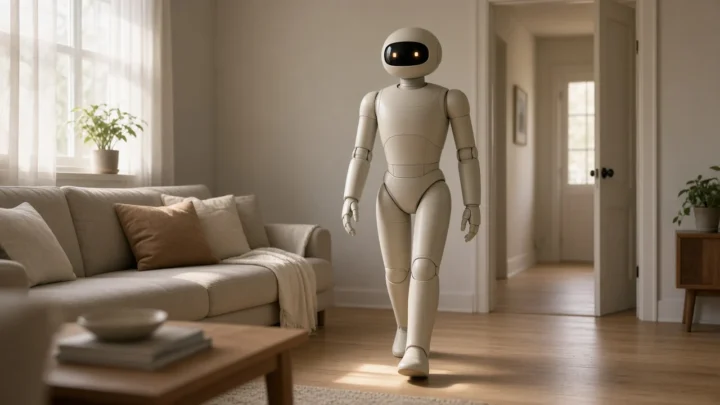
A humanoid robot in a residential setting, illustrating the kind of mobile platform that owners are now beginning to use for occasional outdoor garden tasks.
Consumer humanoids can support a narrow set of gardening tasks in 2026, but outdoor terrain remains the hardest environment most platforms face.
KEY TAKEAWAYS
  • By 2026, consumer-grade humanoid robots will be capable of performing simple tasks like carrying and fetching goods, watering plants, and basic harvesting.
  • Mowing, heavy digging, pruning, or judgement-heavy tasks are either beyond their capability or not covered by their warranty.
  • Outdoor terrain (slopes, mud, wet grass, gravel) drastically affects its reliability, so consult the outdoor specs for the specific platform.
  • Fewer consumer humanoids are designed to withstand prolonged exposure to rain, intense heat, or freezing cold.
  • There are certain tasks, like mowing, for which a dedicated outdoor robot, mowers or edge trimmers, simply does a better job than a humanoid.

What gardening with humanoids actually looks like in 2026

Most consumer humanoid robots in 2026 are designed specifically for indoor home use. A few can be used outdoors for light duty, such as patios and walkways, as well as simple tasks outside in fair weather, but none are built specifically for extended use in a garden.

But before you think your robot can go out into the world, you will need to check the manufacturer’s IP rating (ingress protection), what surfaces it can work on in an outdoor setting, and the temperature range at which it works. If there is no explicit approval for outdoor use in your warranty terms, then using the robot outside might void your warranty, and the underlying problem remains.

Realistic gardening sub-tasks

The following is a few subtasks related to gardening that are realistically possible in a consumer humanoid. Carrying tools, pots and supplies in transit from shed to garden is possible reliably on a paved route. Retrieving items on demand from the garden tool shelf is possible reliably. Watering in the defined area with a hose with oversight works. The harvesting of well-defined vegetables, tomatoes at a particular colour, herbs at the right stage of maturity on a designed bed, works for simple layouts.

This can be an important factor, especially for older or mobility-restricted owners with large garden sizes. The benefit is estimated to be around a 20-30% reduction in time spent in the garden on average, but there are likely greater benefits from a physical standpoint for owners.

Gardening sub-taskRealistic robot capability
Carrying tools, pots, supplies on paved pathsGood
Fetching from a tool shed or storage areaGood
Hose-based watering of defined zonesModerate, with human supervision
Simple structured harvestingModerate, depending on platform
MowingDon’t, use a dedicated robot mower
Pruning, judgement-heavy plant careOutside capability
Heavy digging or earthworkOutside capability
Operation in rain or extreme heatUsually outside warranty

Tasks where dedicated robots still win

If you’re really looking for robots that can do certain things in the outdoor realm, they’re still far more effective in those roles than a general-purpose humanoid. A robot lawn mower is a better lawn mower than a humanoid; it can do it more reliably, more cheaply, and more safely. Robot leaf blowers, perimeter trimmers and irrigation systems solve each of those sub-tasks using more purpose-tailored engineering for the specific environment.

The ideal model is to use the humanoid for jobs where mobility and dexterity across several sub-tasks would be beneficial, such as carrying, fetching, and lightly supervised watering, and to use specialized outdoor robots for tasks where they have an inherent structural advantage.

Weather and warranty

Most consumer humanoids will be built to operate only in dry, moderate temperatures in 2026. Rain, snow, humidity, dust storms and extreme temperatures can harm them and may void the warranty. Ask the manufacturer what IP rating the robot has and what the rated temperature range is if you want to take it outside regularly.

If you do plan to use your robot outdoors, it’s best to do it with weather in mind. Bring your machine inside before the rain starts; keep it out of the summer sun as much as possible; and after every outdoor session, make it a habit to inspect the joints for dust and dirt. Just minutes spent on this short post-session check is a worthwhile effort to lengthen the life of your platform outdoors.

Outdoor setup for safer operation

Several setup tweaks can make operating outdoors easier and more dependable. Define the paths the robot will follow and make sure they are free of visible barriers, hoses, and slick areas. Designate an outdoor workspace with tools and pots in set places where the robot can learn and recall.

Avoid slopes, gravel, and uneven surfaces as a path for a robot. If it’s the only way for the robot to access an area of the garden, have it work from the structured end of the path and leave the harder to negotiate areas for your own two feet.
BEFORE YOU BUY

What to confirm before any outdoor gardening session

To help protect the platform, the warranty, and bystanders, there is a quick set of outdoor checks you should do before and during use.

  1. Be sure to check if the manufacturer of your robot specifically states that it is suitable for outdoor use in the warranty terms.
  2. Check that the forecasted weather conditions on the day of use will not exceed the unit’s operating temperature range or its IP rating.
  3. Plan the robots outdoor routes on paved routes with structural surfaces, not grades and gravel.
  4. If the robot starts raining, be sure to take it indoors. The robot should not operate for a long time in the hot summer sun.
  5. Examine the joints and all surfaces for dust and dirt after every use outside.
  6. For specialized chores such as mowing and irrigation, use purpose-built outdoor robots where a humanoid simply does not do as good a job.
TRUST CHECK

Myth vs reality

Myth

Humanoids can do everything a gardener does.

Reality

They are limited to specific carrying, fetching, light watering, and simple harvesting operations, leaving pruning, mowing, heavy work, and judicious tasks out of their capabilities.

Myth

If my robot can walk indoors, it’ll walk on grass and gravel just fine.

Reality

Most consumer-grade humanoid robots are designed for indoor floors. Using one on uneven ground greatly increases the chance of a breakdown, and could void your warranty.

Myth

Outdoor use just shortens battery life, nothing else changes.

Reality

Usage outside also impacts the warranty and the degree of wear that may occur in joints and other parts from exposure to dust. Check the manufacturer's outdoor terms before committing to outdoor usage on a regular basis.

Myth

A humanoid can replace a robot mower.

Reality

A dedicated robot mower is more of a specialist, designed to mow better than a humanoid, safer, more dependable, and more economical. If something benefits from mobility and flexibility, let the humanoid handle it, but save the outdoor stuff for the specialist.

Myth

Rain is fine because it’s just water.

Reality

Most humanoid robots designed for consumers don't carry a rating for prolonged rain usage. If the IP rating isn't clear on whether it's safe for you to take a robot in, don't assume it's safe; rain can easily ruin a machine that's not rated for such an environment.

FAQ

Frequently asked questions

Outdoor capability

Can a consumer humanoid robot work outdoors at all? ★
Some can be. Others are designed specifically for use indoors, with a few limited exceptions in outdoor use. Before outdoor usage, check the manufacturer’s IP rating and warranty, as well as what kind of surface can be used for regular mounting.
What gardening tasks are realistic?
Things such as moving tools and materials, getting stuff from a shed, getting water with a hose, supervising water delivery, and simple, structured harvesting are plausible things for them to be able to do. Things such as pruning, mowing, and judgement tasks are not.
Can a humanoid mow my lawn?
Don't bother. Purpose-built robotic lawn mowers do a far better job cutting grass: they're safer, less prone to failure, and more affordable. Save the humanoid for things it is really suited to do with its general purpose ability to get around.

Weather and warranty

What about using the robot in the rain?
Most humanoid consumer products are not tested for long-term rain use. You should always check the IP rating before leaving a robot in the rain, because an unrated product can have its warranty voided and damage to its platform.
Are there temperature limits?
Yes. Most platforms specify a temperature range for operating the device, which is usually between 5-35°C (40-95°F) and can cause damage to the actuators and electronics, among other components, if operated outside that range.
Does outdoor use void the warranty?
It really depends. A few manufacturers have clearly outlined acceptable usage criteria that cover outdoor environments, but others specify that any kind of outdoor use nullifies the warranty. Make sure to verify your camera’s suitability for outdoor use before using it regularly outside.

Setup and routines

Should I map outdoor zones the same way as indoor zones?
Certainly, provided the model supports it. Designate the areas the robot can navigate, define specific zones such as the tool shed, workspace, and garden bed, and recognize that, in week one, a robot's outdoor mapping is an extension of the process by which it mapped the indoors.
How long should a typical outdoor session last?
During fair weather, most owners end up spending from half an hour up to an hour. If the sessions extend any longer than that, they will wear out the equipment a lot faster, expose it to a greater volume of dust, and require significantly more frequent charging.
Do I need to clean the robot after outdoor use?
A quick post-session check of contact plates, tread surfaces, and outer bodywork can really lengthen the platform’s life in the open air. The 5-minute detail.

Edge cases

Can the robot prune plants or trim hedges?
No. Pruning requires a human evaluation of plant health and the ability to make structural trade-off decisions that consumer humanoids cannot make with any consistency or accuracy. Furthermore, the use of cutting implements outside the robot’s capabilities can create an unsafe working environment.
What about harvesting vegetables and fruit?
It's easy enough with simple, structured harvesting (tomatoes picked at a specific point in the season, herbs removed by taking them out of a raised bed). Harvesting that requires complex decisions, involves plants in the same bed, or produces something fragile, though, still requires some level of human intervention.
Can the robot work alongside a robot mower or other outdoor robots?
Usually yes without any conflict, just make sure to coordinate your schedules so you and other robots don't attempt to use the same trajectory simultaneously.
VERDICT

Bottom line

Use a humanoid robot for the gardening sub-tasks it’s actually well-suited for: moving equipment, carrying tools and plants, fetching items from the shed, hose watering under supervision, and some straightforward, structured harvesting. Leave mowing, pruning, heavy yard work, and operation in adverse weather to the appropriate tools or to humans. Confirm that outdoor use is supported by the warranty, keep weather in mind, and check over the robot after each use. Think of the humanoid as a yard assistant that you can leverage within a narrow scope and understand that you’ll reduce gardening effort by maybe 20% to 30%, not be replacing a gardener.